

 Confex Sofas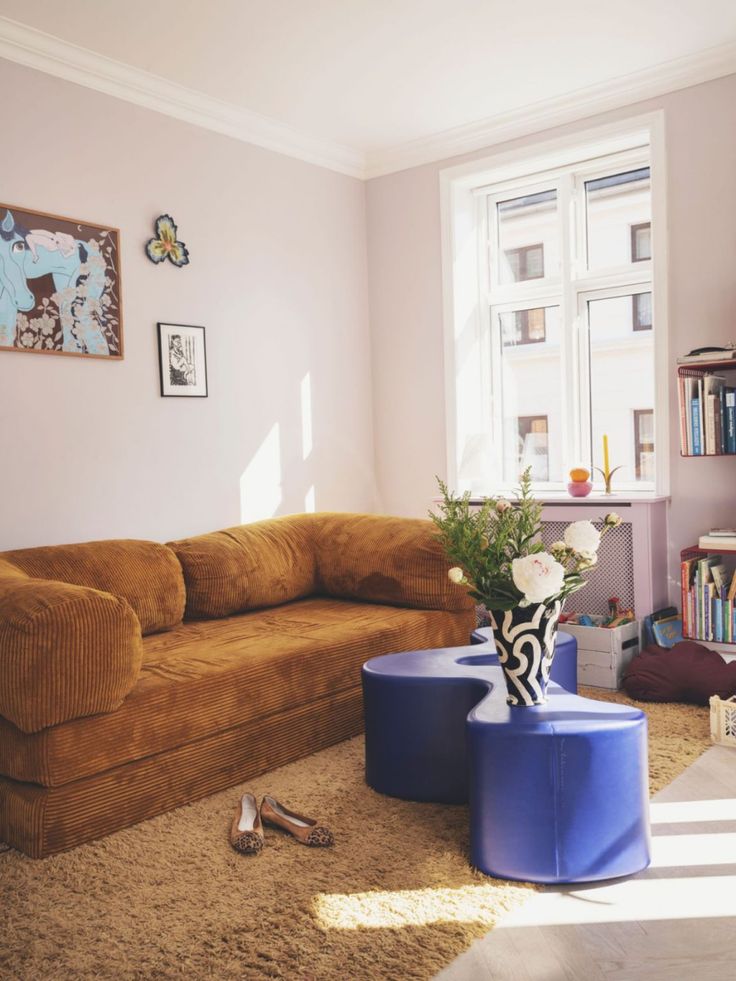
5 Tips to Apply the 60 30 10 Rule in Living Rooms
Why the 60 30 10 Rule Still Dominates Interior Design in 2026?
Creating a living room that feels balanced, premium, and emotionally comfortable is rarely about buying expensive furniture alone. Most modern interiors fail because the color distribution feels chaotic, visually heavy, or emotionally disconnected. This is where the 60 30 10 rule becomes one of the most effective interior design principles for modern homes.
The 60 30 10 rule is a timeless interior color formula used by designers to create visual harmony. Instead of randomly combining colors, this method organizes the room into three intentional color proportions:
• 60% dominant color
• 30% secondary color
• 10% accent color
The result feels structured, layered, and psychologically calming without looking boring.
In modern living room design, this principle works especially well because today’s interiors must achieve multiple goals simultaneously. A space should feel aesthetically premium, comfortable for daily life, social media friendly, emotionally warm, and adaptable to different lighting conditions.
Many homeowners unknowingly overload their interiors with competing tones. Others stay too neutral and end up with a flat, lifeless room. The 60 30 10 formula solves both problems by creating controlled contrast.
[IMAGE KEYWORD: modern living room color palette inspiration]
This guide explains how to apply the 60 30 10 rule professionally while avoiding the common mistakes that make living rooms feel unbalanced. You will also learn how color psychology, furniture textures, lighting, and wall art influence the effectiveness of this rule in real homes.
What Is the 60 30 10 Rule in Interior Design?
The 60 30 10 rule is a proportional color strategy widely used in interior design to create harmony and depth inside a room.
Instead of focusing only on “which colors look good together,” this method focuses on “how much” of each color should appear.
| Color Role | Percentage | Purpose |
|---|---|---|
| Dominant Color | 60% | Creates the foundation and emotional tone |
| Secondary Color | 30% | Adds depth and structure |
| Accent Color | 10% | Creates energy and visual attention |
The dominant color usually appears on walls, large rugs, sofas, or flooring. Secondary colors are often found in curtains, chairs, cabinetry, or larger decor pieces. Accent colors appear through cushions, artwork, lamps, vases, and decorative accessories.
One reason this formula performs so well in modern homes is because human perception naturally prefers balanced visual hierarchy. Rooms that lack hierarchy often feel stressful or visually noisy.
Why the Human Brain Prefers Balanced Color Distribution
Color psychology studies suggest that the brain processes spaces faster when visual dominance is clearly organized. When every object competes equally for attention, cognitive fatigue increases.
This explains why many “Pinterest inspired” interiors fail in real life. They prioritize trendy aesthetics over visual structure.
The 60 30 10 method creates:
• Better visual flow
• Reduced visual stress
• Higher perceived luxury
• Stronger emotional comfort
• More photogenic interiors
Designers frequently use this formula in Scandinavian interiors, Japandi living rooms, modern minimalist homes, and luxury contemporary apartments because it naturally creates a polished atmosphere.
Tip 1: Choose a Dominant Color That Matches Your Lifestyle
The biggest mistake homeowners make is selecting a trendy color instead of selecting a functional emotional base.
Your dominant color controls the emotional atmosphere of the entire room because it occupies most of the visual space.
Best Dominant Colors for Modern Living Rooms
| Dominant Color | Emotional Effect | Best For |
|---|---|---|
| Warm Beige | Cozy and soft | Family homes |
| Soft White | Clean and open | Minimal interiors |
| Olive Green | Natural and calming | Organic modern homes |
| Light Gray | Balanced and versatile | Urban apartments |
| Sand Tone | Relaxing and premium | Scandinavian interiors |
A dominant color should never feel aggressive or visually exhausting because the eye constantly returns to it.
For example, bright red walls may initially look exciting online, but long term exposure often creates emotional fatigue. Neutral foundations remain timeless because they support psychological comfort.
How Lighting Changes Your Dominant Color
Natural daylight dramatically affects color perception.
North facing rooms tend to cool down colors, while south facing rooms intensify warm tones. Before choosing your dominant palette:
• Test paint samples during morning and evening
• Observe shadow behavior
• Evaluate artificial lighting interaction
• Analyze seasonal sunlight shifts

Best Materials for the 60% Layer
The dominant layer should rely on large, texture rich surfaces:
• Sectional sofas
• Wall paint
• Large area rugs
• Floor finishes
• Large curtains
Texture matters as much as color. Linen, boucle, velvet, oak wood, and matte finishes add depth without overwhelming the room.
Tip 2: Use the 30% Secondary Color to Create Depth
The secondary color is where personality begins to emerge.
Many people underestimate this layer and accidentally create interiors that feel flat. The secondary color prevents monotony while maintaining harmony.
Think of the secondary color as the architectural backbone of the room.
Where to Apply the Secondary Color
The 30% layer works best through medium sized visual elements:
• Accent chairs
• Coffee tables
• Built in shelving
• Curtains
• Sideboards
• Large wall art frames
Example of a Balanced Combination
| 60% Base | 30% Secondary | 10% Accent |
|---|---|---|
| Warm White | Walnut Brown | Burnt Orange |
| Soft Gray | Charcoal | Mustard Yellow |
| Beige | Olive Green | Black |
| Sand | Terracotta | Deep Navy |
These combinations work because they balance warm and cool visual energy.
The Importance of Tonal Contrast
The secondary color should not completely blend into the dominant color. Slight contrast creates dimensional layering.
For example:
• Beige + taupe works well
• White + walnut creates sophistication
• Gray + dark olive feels modern
But:
• White + slightly off white often feels unfinished
• Gray + gray can become emotionally cold
Interior designers frequently use contrast ratios to guide emotional perception inside luxury homes.
Texture Pairing Strategy
One of the best ways to elevate the 30% layer is through mixed materials.
Effective combinations include:
• Matte walls + velvet sofa
• Linen curtains + oak wood
• Boucle chair + black metal lighting
• Stone coffee table + soft rug
This technique increases perceived depth without needing excessive color variation.
Tip 3: Make the 10% Accent Color Intentional
Accent colors are not random decorations. They function as visual energy points.
The 10% layer guides the eye around the room and creates emotional excitement.
Without accent colors, interiors often feel unfinished. With too many accents, they feel chaotic.
Best Accent Colors for Modern Interiors
| Accent Color | Emotional Impact |
|---|---|
| Burnt Orange | Warmth and creativity |
| Emerald Green | Luxury and freshness |
| Matte Black | Sophistication |
| Deep Blue | Stability |
| Brass Gold | Elegance |
Accent colors should appear strategically rather than everywhere.
Best Places for Accent Colors
• Throw pillows
• Decorative vases
• Wall art
• Books
• Lamps
• Sculptural decor
• Small chairs

The Rule of Repetition
A common design trick is repeating the accent color at least three times in different areas.
Example:
• Orange pillow
• Orange detail in artwork
• Orange ceramic vase
This creates subconscious cohesion.
Tip 4: Use Wall Art to Reinforce the 60 30 10 Rule
Wall art is one of the most powerful tools for balancing color distribution because it can connect all three layers simultaneously.
Many living rooms feel disconnected because the artwork introduces unrelated colors.
Professional designers often use wall art to bridge the dominant, secondary, and accent tones together.
How to Choose Wall Art Correctly?
For Neutral Living Rooms
Choose artwork that introduces controlled warmth:
• Beige abstract art
• Terracotta brush textures
• Black and cream typography
• Organic line art
For Dark Modern Interiors
Use artwork with contrast and brightness:
• Large white canvas art
• Gold framed abstract paintings
• Blue and gray landscape prints
For Scandinavian Interiors
Focus on:
• Soft earthy palettes
• Minimal compositions
• Natural wood frames
• Botanical art

Why Oversized Wall Art Performs Better
Oversized artwork creates stronger visual hierarchy. Small disconnected frames often create clutter.
Large statement art:
• Expands perceived room size
• Adds luxury perception
• Anchors furniture layouts
• Improves visual flow
Design psychology studies show that large focal points reduce visual fragmentation inside interiors.
Tip 5: Balance Texture and Lighting Alongside Color
The 60 30 10 rule is not only about color percentages. Texture and lighting heavily influence how those colors behave emotionally.
Two living rooms with identical colors can feel completely different depending on materials and light direction.
Why Texture Matters
Texture changes how light reflects inside a room.
| Texture Type | Emotional Feel |
|---|---|
| Velvet | Rich and luxurious |
| Linen | Relaxed and natural |
| Boucle | Cozy and modern |
| Leather | Masculine and structured |
| Matte Wood | Warm and timeless |
A living room without texture often feels flat even if the colors are technically balanced.
Layering Strategy for Modern Homes
The best interiors usually combine:
• Soft texture
• Hard texture
• Matte finish
• Reflective detail
Example:
• Linen sofa
• Marble table
• Oak wood floor
• Brass lighting
This creates visual rhythm.
Lighting Psychology in Living Rooms
Lighting changes color perception dramatically.
Warm lighting creates emotional intimacy while cool lighting increases perceived cleanliness.
Best Lighting Temperatures
| Room Mood | Kelvin Recommendation |
|---|---|
| Cozy Living Room | 2700K |
| Modern Minimal | 3000K |
| Bright Contemporary | 3500K |
Interior designers frequently combine three lighting layers:
• Ambient lighting
• Task lighting
• Accent lighting
This layered approach prevents flat shadows and improves spatial depth.
Common Mistakes When Applying the 60 30 10 Rule
Even good color palettes fail when proportions become unbalanced.
Mistake 1: Too Many Accent Colors
Adding multiple bold colors weakens visual hierarchy.
Instead of:
• Orange
• Green
• Blue
• Yellow
Choose one dominant accent.
Mistake 2: Ignoring Texture
Color alone cannot create depth. Texture variation is essential.
Mistake 3: Matching Everything
Perfect matching often feels artificial.
Modern interiors rely on coordinated contrast rather than exact duplication.
Mistake 4: Choosing Trendy Colors Without Context
Trends change quickly. Emotional comfort lasts longer.
Always prioritize:
• Lighting conditions
• Furniture scale
• Lifestyle needs
• Long term adaptability
Myth vs Reality About the 60 30 10 Rule
| Myth | Reality |
|---|---|
| The rule is outdated | Designers still use it globally |
| Only neutral homes can use it | Bold interiors also benefit |
| Small rooms should avoid dark colors | Proper balance matters more |
| Accent colors must be bright | Deep muted tones also work |
| The formula is restrictive | It actually improves creativity |
Best Living Room Styles That Use the 60 30 10 Rule
Scandinavian Living Rooms
Scandinavian interiors rely heavily on soft neutrals and natural textures.
Typical palette:
• 60% warm white
• 30% light oak
• 10% black accents
Japandi Interiors
Japandi combines Japanese simplicity with Scandinavian warmth.
Popular combinations:
• Beige
• walnut brown
• olive green
Contemporary Luxury Interiors
Luxury modern interiors often use:
• Cream tones
• dark woods
• brass accents
This creates timeless elegance.
Organic Modern Living Rooms
Organic modern design emphasizes nature inspired tones and materials.
Key elements include:
• Curved furniture
• earthy textures
• stone surfaces
• soft textiles
How the 60 30 10 Rule Improves Small Living Rooms
Small spaces especially benefit from structured color hierarchy.
Without balance, compact rooms quickly feel overcrowded.
Best Strategies for Small Spaces
Use Light Dominant Colors
Soft neutrals increase perceived openness.
Keep Accent Colors Minimal
Too many bright objects visually shrink the room.
Use Large Mirrors
Mirrors amplify natural light and improve depth perception.
Choose Multi Functional Furniture
Large clutter reduces visual breathing space.

Quick Checklist Before Finalizing Your Living Room
Color Balance Checklist
• Is one color clearly dominant?
• Does the secondary color add depth?
• Are accent colors repeated intentionally?
• Is lighting supporting the palette?
• Are textures layered properly?
Visual Flow Checklist
• Does the eye move naturally around the room?
• Is there a focal point?
• Does wall art support the palette?
• Are materials balanced?
Frequently Asked Questions
What is the easiest way to apply the 60 30 10 rule?
Start with a neutral dominant color like beige or warm white. Then introduce a darker secondary tone through furniture and finally add one controlled accent color using decor accessories.
Does the 60 30 10 rule work in small apartments?
Yes. In fact, small living rooms benefit even more from structured color balance because it prevents visual clutter and improves spatial harmony.
Can I use bold colors with the 60 30 10 rule?
Absolutely. Bold interiors often become more successful when strong colors are proportionally controlled.
What is the best accent color for beige living rooms?
Burnt orange, olive green, matte black, deep navy, and terracotta are highly effective because they create warmth and contrast without overwhelming the room.
Should wall art follow the same color palette?
Ideally yes. Wall art should reinforce the overall palette rather than introduce unrelated tones that break visual cohesion.
Is the 60 30 10 rule suitable for modern luxury interiors?
Yes. Many luxury interiors rely on this formula because it naturally creates visual sophistication and emotional balance.
Final Thoughts
The reason the 60 30 10 rule continues to dominate interior design trends in 2026 is simple. It works psychologically, visually, and emotionally.
Beautiful living rooms rarely happen accidentally. The most premium interiors use intentional hierarchy, balanced contrast, layered textures, and strategic color placement.
When applied correctly, this rule creates spaces that feel:
• More luxurious
• More calming
• More visually organized
• More timeless
• More emotionally welcoming
The best part is that the formula adapts to nearly every interior style, from Scandinavian minimalism to modern luxury homes.
Instead of chasing endless trends, mastering color balance creates interiors that remain elegant for years.
References
Cherry, K. (2024). Color psychology: How color impacts emotions and behaviors. Verywell Mind. https://www.verywellmind.com/color-psychology-2795824
Pile, J. F. (2021). Interior design (5th ed.). Pearson Education.



Share:
Do Corner Sofas Save Space? Learn Now Important Tipps From Furniture Experts
How to Create Harmony Between Wall Art and Your Sofa? A Detailed Guide