




 Sofás Confex
 Pufs Sofio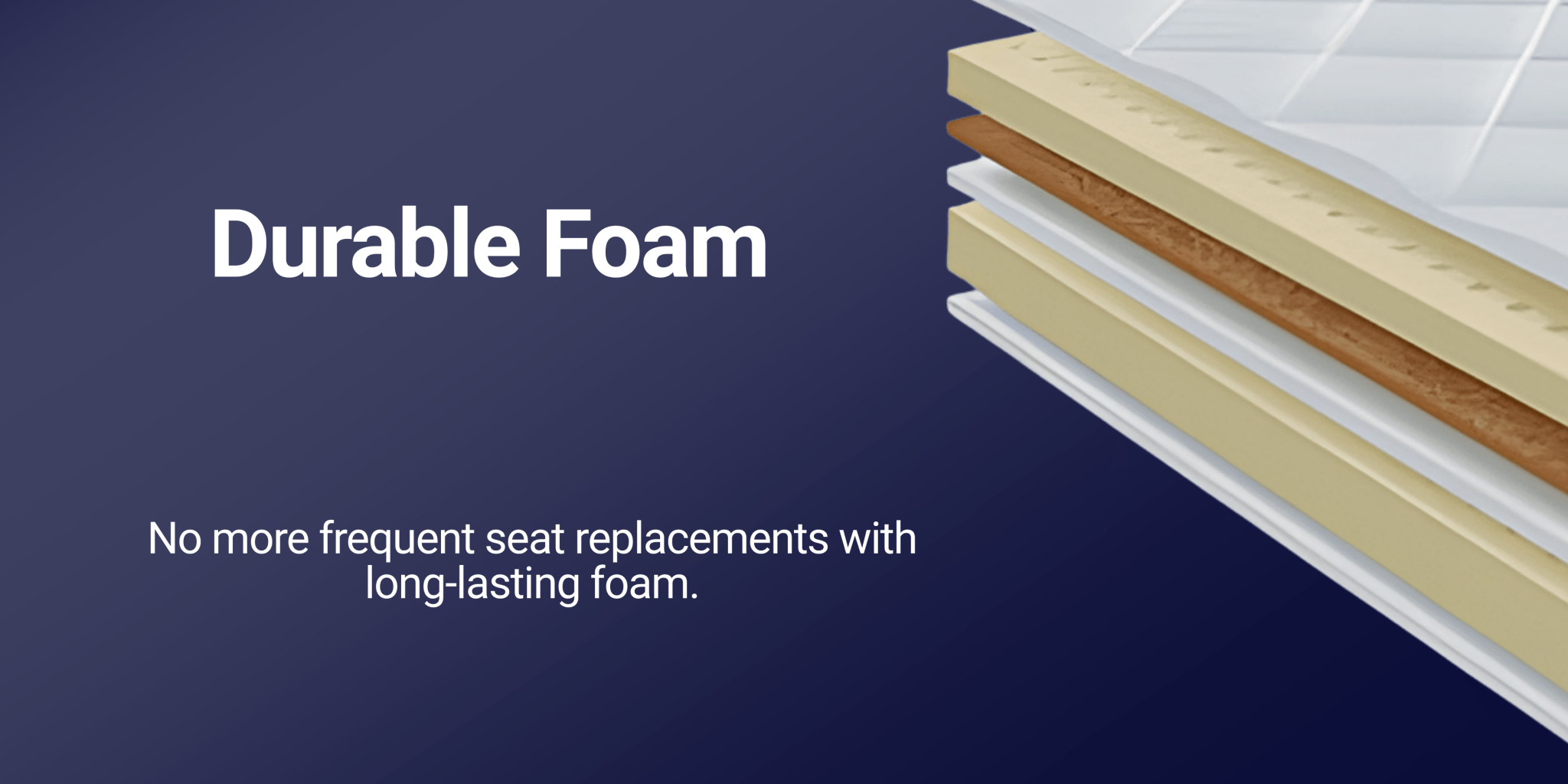
How to Identify High Quality Sofa Foam Products for Long Term Comfort
Introduction
A sofa may look inviting, but real comfort is revealed only after sitting, relaxing, and living with it over time. What separates a sofa that stays supportive for years from one that sags within months is not the fabric or frame. It is the foam inside.
Sofa foam quality directly affects comfort, posture, durability, and overall satisfaction. Understanding how foam works allows buyers to make informed decisions instead of relying on surface impressions. This guide explains how to identify high quality sofa foam products using clear, practical indicators that matter in real life.
What Makes Sofa Foam Truly High Quality
High quality sofa foam performs consistently, not just on the first day but throughout years of daily use. It combines structural integrity with comfort, ensuring that the cushion supports the body without collapsing or hardening over time.
Key characteristics define quality foam. These elements work together rather than independently:
- Fast shape recovery after pressure
- Even support across the entire seating surface
- Resistance to sagging and permanent indentations
- Stable edges that do not collapse when sitting
- Balanced comfort that avoids excessive sinking
This combination signals foam that is built for longevity rather than short term softness.
The Role of Foam Materials in Sofa Performance
The material composition of sofa foam determines how it behaves under repeated use. While many sofas use similar terms, actual performance varies significantly.
Polyurethane foam remains the most widely used option. When produced with proper density and formulation, it offers reliable support and resilience. Poor quality versions may feel comfortable initially but degrade quickly.
High resilience foam is designed for frequent seating. It responds quickly after pressure and maintains structure even in high traffic areas. This makes it ideal for living rooms and everyday sofas.
Memory foam is often used as a comfort layer. It adapts to body shape and reduces pressure points. However, it performs best when combined with a supportive base foam rather than used alone.

Guide to Sofa Foam Density and Comfort Levels
Density is one of the most reliable indicators of foam quality. It reflects how much material exists within the foam structure, not how firm it feels.
Higher density foam generally offers better durability and structural support. Lower density foam compresses faster and loses its original shape sooner.
| Density Range | Seating Feel | Durability Expectation | Typical Use |
|---|---|---|---|
| Low | Initially soft | Short term | Occasional seating |
| Medium | Balanced | Moderate | Guest areas |
| High | Supportive | Long term | Daily use sofas |
| Very high | Premium stability | Extended | Long term investment |
For everyday sofas, high density foam provides the most consistent experience over time.
Firmness and Density: Understanding the Difference
Firmness describes how a cushion feels when you sit on it. Density determines how long that feeling lasts.
A soft cushion can still be high quality if the density is sufficient. Likewise, a firm cushion may hide low density foam that deteriorates quickly. The best sofas balance comfort and structural strength rather than focusing on firmness alone.
How to Evaluate Sofa Foam Before Buying
Assessing foam quality does not require technical tools. Simple physical checks can reveal a lot about long term performance.
Pressing the cushion and observing recovery speed provides insight into resilience. Quality foam regains its shape quickly and evenly.
Sitting on the edge of the sofa reveals edge support. Strong foam maintains stability, while weak foam collapses and feels unstable.

Heavier cushions often indicate denser materials. Extremely lightweight cushions may signal lower density foam.
Layered Foam Construction and Its Benefits
Premium sofas often rely on layered foam systems. Instead of a single foam block, layers work together to improve comfort and durability.
A supportive base layer absorbs weight and maintains shape. A transition layer distributes pressure evenly. A softer top layer enhances comfort. This structure reduces stress on individual layers and extends overall lifespan.
Common Mistakes When Choosing Sofa Foam
Many buyers unintentionally choose poor foam quality due to common misconceptions:
- Believing firmness alone guarantees durability
- Prioritizing softness over structural support
- Ignoring how foam recovers after pressure
- Overlooking edge support during testing
- Judging comfort only during brief showroom trials
Avoiding these mistakes leads to better long term satisfaction.
Foam Compared to Other Cushion Fillings
Foam remains the most reliable option for consistent comfort. Alternative fillings offer different experiences but often require more maintenance or have shorter lifespans.
| Filling Type | Comfort Consistency | Maintenance | Longevity |
|---|---|---|---|
| Foam | High | Low | High |
| Feather | Very soft | High | Medium |
| Fiber | Light | Medium | Low |
| Foam with feather | Balanced | Medium | High |
For daily seating, foam based cushions provide the most predictable performance.

Ergonomic and Health Benefits of Quality Foam
High quality foam supports natural posture and reduces pressure on the lower back and hips. This is especially important during long sitting sessions.
Well balanced foam helps distribute weight evenly and minimizes discomfort over time. Medium firm, high density foam is often recommended for both comfort and spinal support.
Safety and Environmental Considerations
Modern foam production increasingly focuses on safety and sustainability. Certified foam indicates controlled emissions and responsible material use.
These certifications improve indoor air quality and increase trust in product quality. They also serve as strong credibility signals for buyers.
FAQ
How long does high quality sofa foam last?
-With proper density and construction, quality foam can maintain comfort for eight to twelve years.
Can sofa foam be replaced?
-Yes, but replacing foam adds cost. Choosing quality foam initially offers better value.
Is softer foam always less durable?
-No. Durability depends on density and structure, not softness.
Conclusion
High quality sofa foam is the hidden foundation of lasting comfort. It determines how a sofa feels over time, not just at first glance. Understanding foam density, material composition, and structural behavior allows buyers to choose sofas that truly perform.
Comfort that lasts is not accidental. It is built from the inside out.
References
American Home Furnishings Alliance. (2022). Foam performance in upholstered furniture.
CertiPUR US. (2023). Flexible polyurethane foam safety and durability guidelines.

Compartir:
Why Does Sofa Production and Delivery Take Time?